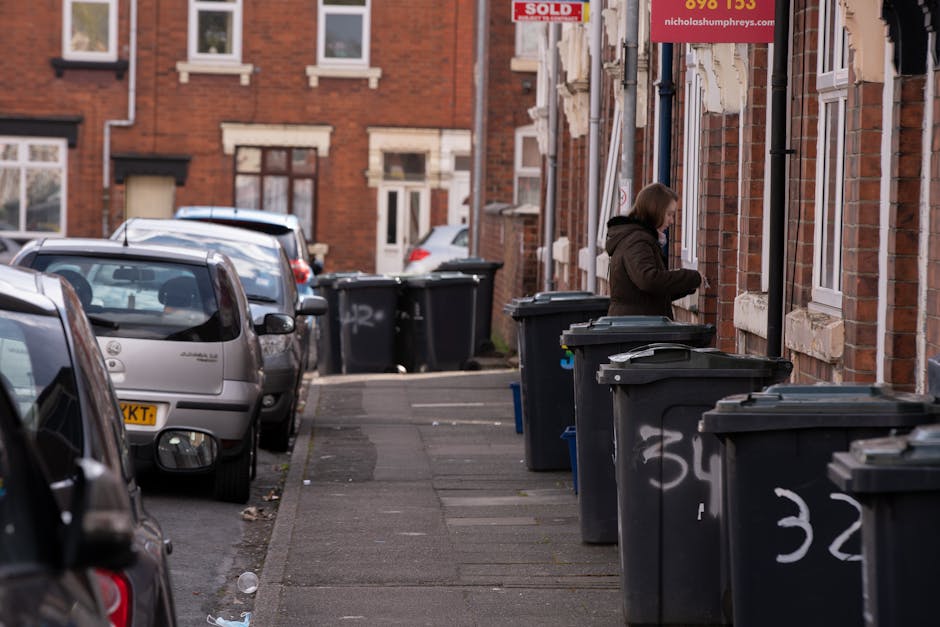
Tufnell Park Road rubbish collection guide for residents
If you live on or near Tufnell Park Road, rubbish can become one of those small but nagging jobs that quietly builds up until it suddenly feels urgent. A broken wardrobe in the hallway, a few bags from a clear-out, garden cuttings after a weekend tidy-up, or builders' rubble after a home project - it all needs to go somewhere, safely and without causing stress.
This Tufnell Park Road rubbish collection guide for residents explains the practical side of getting waste removed in a busy London residential street. It covers how collection usually works, when a skip makes sense, what to avoid, how to stay compliant, and which disposal method is likely to suit your situation best. No waffle. Just the stuff that helps you make a sensible decision.
Expert summary: For most residents, the best rubbish solution depends on volume, access, and timing. Small clear-outs may suit a man and van or rubbish removal service, heavier project waste may suit a skip or grab hire, and tighter spaces often benefit from wait and load or same-day collection. If you are unsure, start with access first - on streets like Tufnell Park Road, that one detail usually decides everything.
Table of Contents
- Why Tufnell Park Road rubbish collection guide for residents matters
- How rubbish collection works on Tufnell Park Road
- Key benefits and practical advantages
- Who this is for and when it makes sense
- Step-by-step guidance
- Expert tips for better results
- Common mistakes to avoid
- Tools, resources and recommendations
- Law, compliance, standards and best practice
- Options, methods and comparison table
- Case study or real-world example
- Practical checklist
- Conclusion
- Frequently Asked Questions
Why Tufnell Park Road rubbish collection guide for residents Matters
Rubbish collection sounds straightforward until you try to do it in a real neighbourhood. Then the practical issues show up fast: limited parking, narrow frontage, neighbours who quite reasonably do not want their street blocked, and waste types that cannot simply be left out with general household rubbish.
Tufnell Park Road sits in a part of London where access and timing matter a lot. If you are planning a clear-out or renovation, a little preparation can save you from delays, extra costs, or a very awkward morning when a lorry cannot safely park where you expected. That is why a local-minded guide is useful. It helps you think through the job before the waste becomes a problem.
There is also the question of scale. A few black bags from a declutter are one thing. A bathroom rip-out, broken plasterboard, old appliances, or a full loft clear-out is another. The wrong method can mean multiple trips, more handling, and extra hassle. Let's face it, nobody wants to move the same pile of junk twice.
Used properly, the right rubbish collection approach can keep your home tidy, your pavement clear, and your day moving. It can also reduce the risk of fly-tipping, which is never worth the gamble.
How Tufnell Park Road rubbish collection guide for residents Works
The basic principle is simple: match the waste to the right collection method. In practice, that means looking at what you have, how much of it there is, whether it is mixed waste or sorted waste, and whether the street layout allows a vehicle or skip to be placed safely.
Most residents will end up choosing one of a few common routes:
- Rubbish removal for mixed household junk, bagged waste, bulky items, and quick clear-outs.
- Domestic skip hire for larger volumes where you want the waste taken away in one go.
- Wait and load skip hire when you do not have space for a skip to stay on the road.
- Grab hire services for heavier loose waste or jobs where speed and reach matter.
- Man and van style collection for lighter domestic removals and item-by-item loading.
On a road like Tufnell Park Road, access often decides the winner. If a vehicle can stop safely and the waste can be loaded quickly, a wait and load approach can be very efficient. If the waste is being produced over several days, a skip may be more convenient. If the job is a one-off loft clear-out with awkward items, a collection team may be the easiest option.
If you are unsure what your load includes, it helps to check what can go in a skip before you book. That one habit prevents a surprising amount of last-minute stress.
Key Benefits and Practical Advantages
The main benefit is obvious: you get rid of waste without turning your home or pavement into an obstacle course. But there are a few other advantages worth spelling out.
- Less clutter, faster - waste leaves the property in a planned way rather than lingering for days.
- Better access management - important on streets where space is tight and neighbours are close by.
- Cleaner handling of awkward items - things like mattresses, sofas, or appliances are easier to deal with when the collection method fits the item.
- Reduced risk of damage - heavy waste moved the wrong way can scratch floors, walls, and even vehicle interiors.
- Improved recycling outcomes - a structured collection is usually better than random dumping into whatever bin is nearest.
There is also a time-saving angle. Once you know the process, you stop making repeated small decisions about where to put everything. That sounds minor, but in the middle of a clear-out it matters. A lot.
For residents who want a straightforward domestic solution, domestic skip hire can be a tidy option, while a rubbish removal service may suit mixed household waste that needs loading for you.
Who This Is For and When It Makes Sense
This guide is for residents who want practical waste removal without guesswork. That includes flat owners, tenants, landlords, homeowners, people managing a probate or house clear-out, and anyone dealing with a project that has produced more waste than the normal bin setup can handle.
It makes sense in several common scenarios:
- Home decluttering - wardrobes, furniture, bags of old items, and attic clutter.
- DIY jobs - bathroom updates, kitchen rip-outs, flooring replacement, or plaster waste.
- Garden work - branches, soil, hedge cuttings, and general green waste.
- Moving house - the classic moment when you realise the garage has become a storage unit.
- End of tenancy or landlord clearance - leftover furniture, general rubbish, and damaged items.
It is also useful if you are trying to decide whether to book a service immediately or plan a larger clearance over a couple of days. If the job is small and urgent, a same-day option may be worth it. If it is part of a bigger project, a skip or grab lorry may be a better fit. Truth be told, the best answer is usually the one that gets the waste out with the least friction.
Step-by-Step Guidance
Here is a simple way to approach rubbish collection on Tufnell Park Road without overcomplicating it.
- Identify the waste type. Is it general household rubbish, bulky furniture, builders' waste, garden waste, or something more sensitive?
- Estimate the volume. A couple of bags is very different from a room full of items or a renovation pile.
- Check access. Think about parking, turning space, how long loading might take, and whether a vehicle can stop legally and safely.
- Separate restricted items. Put aside anything that may need specialist handling, such as fridges, paint, chemicals, or confidential paper.
- Choose the method. Skip hire, rubbish removal, grab hire, or wait and load each has a different strength.
- Book the collection. Confirm the date, access instructions, and what happens if the waste is not ready when the team arrives.
- Prepare the waste neatly. Keep items as accessible as possible. Bags should be tied. Loose waste should be gathered.
- Clear the route. If the collection is coming through a front path, hallway, or driveway, make the space easy to work in.
If you are choosing between a skip and a collection vehicle, take a moment to review skip sizes and prices. Even a quick look can make the decision much clearer.
And if your waste is mostly heavy material from a building project, builders skip hire or construction waste disposal may be more efficient than general rubbish collection.
Expert Tips for Better Results
Over time, the same few things make collections smoother. They sound obvious once you have done them, but people often skip them the first time round.
- Be honest about access. If a vehicle needs to reverse, turn, or wait, say so early. Surprises at the kerb are nobody's favourite thing.
- Keep waste type consistent. A mixed pile is manageable, but mixing everything together can affect recycling and handling.
- Think about timing. Morning collections often work better on busier residential roads. There is simply less chaos, less foot traffic, less everything.
- Use the right method for bulky items. Sofas, mattresses, and fridges are awkward for a reason. Plan for them rather than hoping they will somehow fit into the rest of the load.
- Sort out specialist items separately. Hazardous or confidential waste should not be left until the last minute.
For larger household jobs, house clearance or garage and loft clearance can take the pressure off if the scale has got a bit out of hand. Happens to the best of us.
If you are clearing a room with mixed furniture, the pages for mattress and sofa disposal and fridge and appliance removal are also worth checking so you know what needs special handling.
Common Mistakes to Avoid
Most waste headaches come from a small number of avoidable mistakes. Here are the main ones.
- Leaving the booking too late. A quick clear-out can turn into a scramble if the collection is not arranged in advance.
- Underestimating the amount of rubbish. A pile always looks smaller until you start moving it.
- Forgetting about access restrictions. A narrow road, parked cars, or a tight front path can change everything.
- Putting prohibited waste into the load. This can lead to delays or extra charges, especially with specialist items.
- Assuming every collection is the same. It is not. Different waste streams need different handling.
- Ignoring neighbours and frontage space. On a residential street, courtesy goes a long way.
There is also a quieter mistake: not considering whether the waste needs recycling or separation. Mixed waste is sometimes unavoidable, but if you can split cardboard, green waste, metals, or clean timber, do it. It can make the whole job cleaner and easier.
Tools, Resources and Recommendations
You do not need a van full of equipment to handle rubbish well. A few simple tools and checks make a noticeable difference:
- Heavy-duty bin bags for light mixed waste.
- Work gloves for sharp edges, splinters, and dusty items.
- Tape or straps for securing loose furniture parts.
- Basic measuring tape if you want a better feel for how much space the waste actually takes up.
- Labels or separate piles for items that need specialist collection.
For comparison and planning, these internal resources are especially useful: skip hire, wait and load skip hire, grab hire services, and man and van.
If you are trying to keep costs under control, pricing and quotes can help you compare the likely shape of the job before you commit. And if environmental performance matters to you - which, frankly, it should - take a look at recycling and sustainability.
Law, Compliance, Standards and Best Practice
Waste removal in the UK is not just about convenience. There are legal and practical duties around how waste is stored, moved, and handed to a carrier. Residents do not need to become experts in waste law, but a few basics are worth keeping in mind.
First, use a reputable waste carrier. You should know where your rubbish is going, at least in broad terms, and it should be dealt with responsibly. If waste ends up fly-tipped after you paid someone to take it away, you may still face questions if the transfer was not handled properly.
Second, be careful with restricted waste. Items such as hazardous materials, chemicals, some electrical items, and confidential documents need proper handling. When in doubt, separate them and ask first rather than sneaking them into a mixed load. That is not worth the risk.
Third, watch the public highway issue. If a skip or vehicle is placed on the road, a permit may be needed depending on the exact arrangement. A quick check through skip hire permits or skip permits can save a messy misunderstanding later.
It is also sensible to think about health and safety. Loads should be stable, items should not protrude dangerously, and access paths should be kept clear. If your waste includes sharp, dusty, or heavy material, basic care matters more than speed.
For businesses or home offices clearing paper records, confidential shredding is the safer route than putting sensitive documents into general rubbish. Simple choice, cleaner outcome.
Options, Methods, or Comparison Table
Here is a practical comparison of the main ways residents typically deal with rubbish collection on or around Tufnell Park Road.
| Method | Best for | Strengths | Watch-outs |
|---|---|---|---|
| Rubbish removal | Mixed household waste, bulky items, quick clear-outs | Convenient, flexible, little effort from the resident | May be less efficient for large volumes |
| Domestic skip hire | Home projects, decluttering, ongoing waste generation | Handy if waste builds over a few days | May need a permit if placed on the road |
| Wait and load skip hire | Roadside locations with limited space | No long-term roadside obstruction | Waste must be ready quickly |
| Grab hire services | Heavy or loose waste, larger clearances | Fast loading and strong for bulky material | Needs access space for the grab vehicle |
| Man and van | Smaller removals and item-based collections | Good for individual loads and flexible handling | Less suited to heavy rubble or large project waste |
The main point is not that one method is always best. It is that the right method depends on the job. A tiny one-bedroom declutter and a half-done kitchen rip-out are not the same thing. Treat them differently.
For example, if you are dealing with renovation waste and want a stronger purpose-built option, builders waste removal and construction waste clearance can make a lot more sense than general household collection.
Case Study or Real-World Example
Imagine a resident on Tufnell Park Road clearing a spare room after years of storage. There is an old wardrobe, two broken chairs, several black bags, a dusty box of papers, and a small appliance that no longer works. Nothing dramatic on its own, but enough to make the room feel unusable.
At first, the resident thinks a few trips to the tip will do the job. Then reality arrives: the car is too small for the wardrobe, the papers need sorting, the appliance cannot just be left with the regular waste, and there is nowhere sensible to pile everything on the pavement without causing a nuisance. Classic.
In that kind of situation, a mixed waste collection is usually the more efficient route. The resident can separate documents for shredding, keep the appliance aside for proper removal, and bundle the rest for a collection team. If access is tight and the waste can be moved out quickly, a wait and load approach may work well. If the clear-out is larger than expected, a small skip or domestic skip hire may be the calmer choice.
The best outcome is not necessarily the cheapest-looking option. It is the one that keeps the job moving, avoids multiple handling, and leaves the space usable again by the end of the day.
Practical Checklist
Use this quick checklist before arranging rubbish collection:
- Confirm what type of waste you have.
- Estimate how much needs to go.
- Separate hazardous, confidential, or specialist items.
- Check whether access is easy enough for a vehicle, skip, or loader.
- Decide whether you need a one-off pickup or a multi-day solution.
- Review skip or collection options before booking.
- Think about whether a permit may be needed for roadside placement.
- Clear a path from the waste area to the collection point.
- Keep heavier items together and safely stacked.
- Have a back-up plan if the load turns out bigger than expected.
If you want a smoother booking process, it can help to start with book online once you have your waste list ready. Small prep, big payoff.
Conclusion
A good Tufnell Park Road rubbish collection guide for residents does not try to make waste removal sound glamorous. It just makes the whole thing easier, safer, and less annoying than it might otherwise be. That is the win. If you understand the waste type, think about access, and choose the right method, you can deal with the mess without the usual last-minute scramble.
For some homes, a simple collection is all that is needed. For others, skip hire or grab hire is the smarter call. The best choice is the one that fits your street, your schedule, and the kind of waste you actually have. Start there, and you will usually get it right.
Get a free quote today and see how much you can save.
And if you are still weighing things up, keep it simple: sort the waste, check access, and choose the method that makes the job feel manageable. That is often the difference between a stressful weekend and a satisfying clear-out.
Frequently Asked Questions
What is the best rubbish collection option for Tufnell Park Road residents?
The best option depends on how much waste you have and how easy access is. Small mixed loads often suit rubbish removal or a man and van service, while bigger home projects usually suit skip hire or grab hire.
Do I need a permit for a skip on Tufnell Park Road?
Possibly, if the skip is going on the public road. The exact need depends on placement and local rules, so it is wise to check before booking. Permit guidance is available through the relevant skip permit pages on the site.
Can I put furniture in a rubbish collection?
Yes, in many cases furniture is fine for collection, including wardrobes, chairs, and tables. Sofas and mattresses may need specific handling, so it is best to check before the collection date.
What should I do with a fridge or appliance?
Fridges and appliances should be handled separately rather than thrown in with general rubbish. Dedicated appliance removal is usually the safer and cleaner choice.
Is same-day rubbish collection available?
In some cases, yes. Same-day collection can be useful if waste is blocking a room, creating a safety issue, or simply needs to be gone quickly. Availability depends on the day and the type of load.
How do I know whether I need a skip or rubbish removal?
If the waste is building up over several days and you have space, a skip may be useful. If you want everything taken away in one visit and do not want to load it yourself, rubbish removal is often the easier option.
Can garden waste be collected from Tufnell Park Road?
Yes. Garden cuttings, branches, and related green waste can usually be collected, and a dedicated garden waste removal service may be the neatest solution if you have a sizeable pile.
What happens if my waste includes confidential papers?
Confidential papers should be kept separate and sent for shredding rather than mixed with normal rubbish. That helps protect personal or business information properly.
Are there restrictions on what can go in a skip?
Yes. Some items are restricted or need special handling, including hazardous waste, certain electrical items, and some appliances. It is always best to check what can go in a skip before loading.
Which method is best for heavy builders' waste?
For heavy rubble, bricks, or construction debris, builders skip hire or construction waste disposal is often the most practical option. Grab hire can also work well for loose heavy material.
How can I keep rubbish collection costs down?
Sort waste into sensible groups, avoid mixing restricted items into general loads, and choose the right method for the actual volume. Clear access also helps, because it reduces wasted time and awkward handling.
Is recycling part of rubbish collection?
Often, yes. Responsible waste operators aim to separate recyclable material where possible. The more you can pre-sort items like cardboard, metal, green waste, or clean timber, the better.
What if I only have a few items to remove?
For just a few items, man and van or a small rubbish removal visit is usually the simplest route. There is no need to overcomplicate it if the job is small.
How do I book the right service without guessing?
Start by listing the waste type, the amount, and any access problems. Then compare the available options, review the service details, and book the one that best fits the job. A little planning saves a lot of back-and-forth later.
If you want a final thought: the easiest rubbish job is the one you size up properly before anyone arrives. A bit of care at the start makes the whole thing feel lighter, and honestly, that is usually what people want most.